Wondering what daily life in Yarmouth actually feels like beyond the postcard views? If you are looking for a coastal Maine town that blends village charm, access to the water, and a pace that feels grounded year-round, Yarmouth deserves a closer look. This guide will help you understand how the town’s village center, harbor, trails, housing mix, and community rhythm come together so you can decide whether its lifestyle is the right fit for you. Let’s dive in.
Why Yarmouth Feels Distinct
Yarmouth is best understood as more than a scenic coastal town. Its official planning documents describe it as an authentic historic New England village shaped by two early settlement areas: the lower village near shipbuilding at the mouth of the Royal River and the upper village around Main Street and the former rail depot.
That history still shows up in how the town works today. The village remains Yarmouth’s social and civic center, with Main Street businesses and restaurants, historic buildings, schools, older and denser residential areas, and Royal River Park all helping create a connected everyday setting.
Village Life in Yarmouth
If you picture a town where errands, dining, and community life feel close at hand, Yarmouth fits that image well. The comprehensive plan describes the village core as compact, active, and central to town life, which helps explain why so many people are drawn to it for more than just seasonal appeal.
This is part of what gives Yarmouth its relaxed feel. You are not choosing between charm and function. You get a character-rich center that still supports daily routines, whether that means heading to Main Street, spending time at Royal River Park, or enjoying a local event.
Main Street Sets the Tone
Main Street helps anchor the town’s identity. It brings together shops, restaurants, civic spaces, and historic buildings in a way that feels lived-in rather than staged.
That matters if you are comparing Yarmouth with towns that feel more seasonal or spread out. In Yarmouth, the village core plays a real role in daily life, not just weekend activity.
The Village Is Social and Civic
The town’s planning documents make clear that the village is not only commercial. It is also where civic and community life comes together.
That includes public spaces, local gatherings, and access to older neighborhoods that feel more connected to the center of town. For many buyers, this creates the sense of a place with an established rhythm rather than a town that revolves around one feature alone.
The Harbor Is Part of Real Life
In Yarmouth, the harbor is not just something nice to look at. The town’s Water-Oriented Commercial district is intended to preserve harbor scenery, public access, and marine-related economic value while allowing uses like marinas, boat repair, retail, restaurants, and offices.
That mix helps give the waterfront a practical identity. It supports the sense that Yarmouth’s coastal character is tied to working and recreational use, not just views.
A Working Waterfront Connection
Yarmouth’s waterfront masterplan focuses on reconnecting the village to the working waterfront. That goal says a lot about the town’s identity.
Rather than treating the harbor as separate from the village, Yarmouth aims to physically and visually link it back to Main Street. For residents, that overlap is part of what makes the town feel layered and authentic.
Seasonal Access to the Water
The boating season adds another dimension to life here. According to the Harbor Master’s 2025 launch-pass application, launch access for boats, canoes, and kayaks runs from April 15 through November 15.
The comprehensive plan also highlights Sandy Point Beach on Cousins Island for swimming, kayaking, and licensed clamming. If access to the water matters to your lifestyle, Yarmouth offers ways to enjoy it that feel woven into the town rather than set apart from it.
Trails and Open Space Shape the Pace
One of Yarmouth’s strongest lifestyle features is its trail and open-space network. The town’s 2025 trail map includes both paved shared-use paths and unpaved trails, with destinations such as the Beth Condon Memorial Pathway, Royal River Park, Riverfront Woods Preserve, Frank Knight Forest, Sweetsir Farm Preserve, and Littlejohn Island Preserve.
This gives you options for different kinds of outdoor time. You can fit in a quick walk, spend a longer morning on the trails, or build outdoor recreation into your regular routine without leaving town.
Accessible and Varied Trail Options
Yarmouth’s open space is not one-note. The comprehensive plan notes that Riverfront Woods includes an accessible trail and boardwalk, while Spear Farm Estuary Preserve offers more than two miles of trails through salt marsh and upland habitat, with some universally accessible sections.
That variety helps make the town appealing to people looking for both convenience and a connection to Maine’s natural landscape. It also reinforces the idea that Yarmouth’s relaxed pace comes from daily access to open space, not just occasional outings.
History Shows Up Outdoors Too
Even the parks reflect Yarmouth’s layered identity. Royal River Park sits on the site of a former saw-and-grist mill, adding a historic dimension to the outdoor network.
In practice, that means recreation in Yarmouth often feels connected to place. Trails and parks are not just amenities. They are part of how the town tells its story.
Community Rhythm Through the Year
A relaxed lifestyle does not have to mean quiet all the time. Yarmouth has a recurring calendar that helps keep the town active while still feeling manageable.
The Yarmouth Farmers’ Market runs every Thursday from 3:00 to 6:00 p.m. from early May through late October at Bickford Pavilion. The Yarmouth Clam Festival, held every year on the third full weekend in July, remains the town’s signature summer event, with 2026 dates set for July 17 through 19.
Small Town Does Not Mean Still
The comprehensive plan also points to summer concerts, library-centered gatherings, and other local pop-up events. That helps explain why Yarmouth can feel lively even though it is relatively small.
For buyers considering a move, this is an important part of the lifestyle picture. You may find a town that feels calm day to day, but not isolated or inactive.
Commuting and Convenience
Yarmouth’s lifestyle is also shaped by its connection to the wider region. The comprehensive plan says 87% of residents commute outside the town for work.
At the same time, I-295 runs through town and connects Portland to Brunswick, with Exits 15 and 17 providing access from Route 1. That helps explain why Yarmouth often appeals to people who want a local village setting without giving up regional access.
Local at Home, Connected Beyond Town
This commuter pattern says something useful about how people live here. Many residents work elsewhere, but recreation, errands, and social life remain concentrated close to home.
That balance can be especially appealing if you want your home base to feel rooted and coastal while still keeping Greater Portland within practical reach.
What Homes in Yarmouth Feel Like
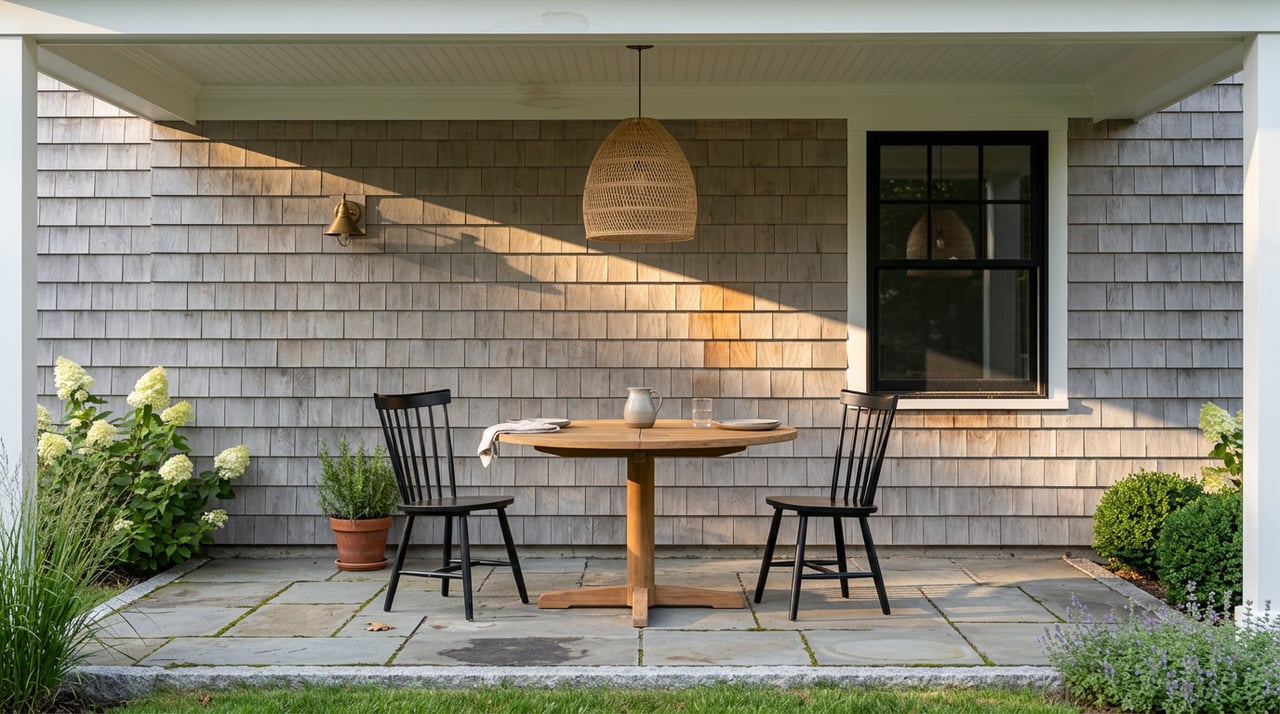
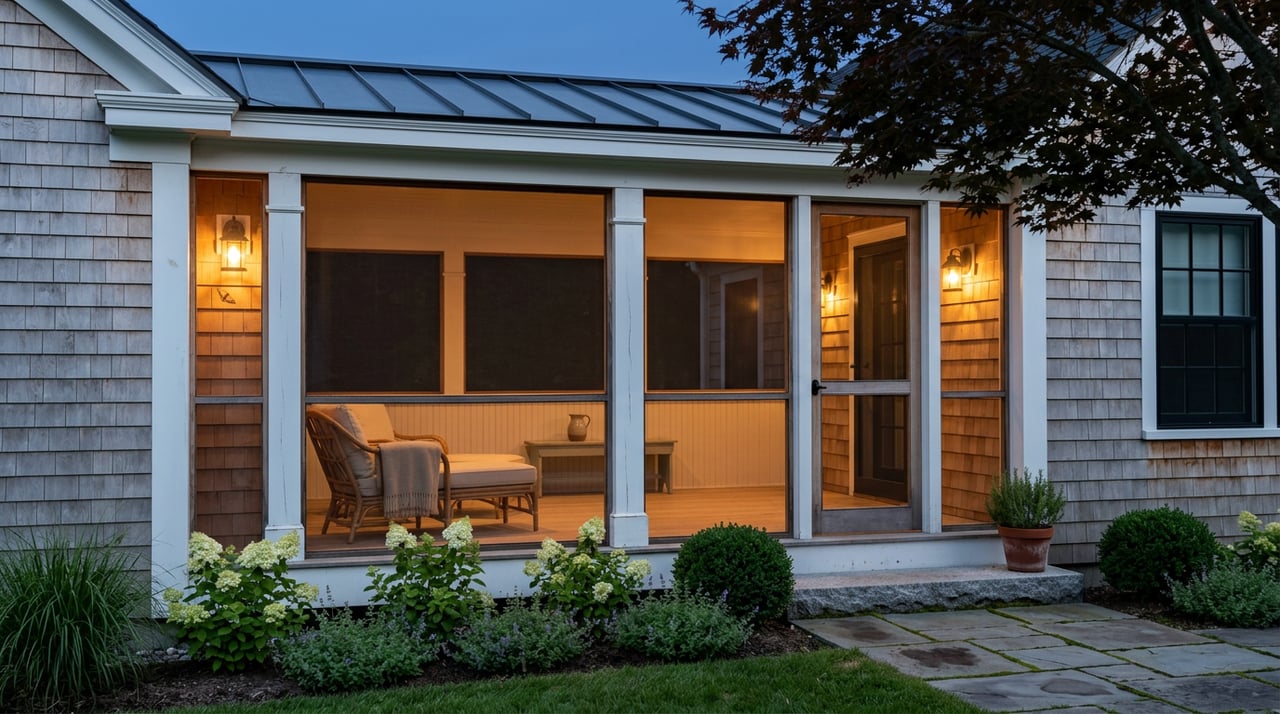
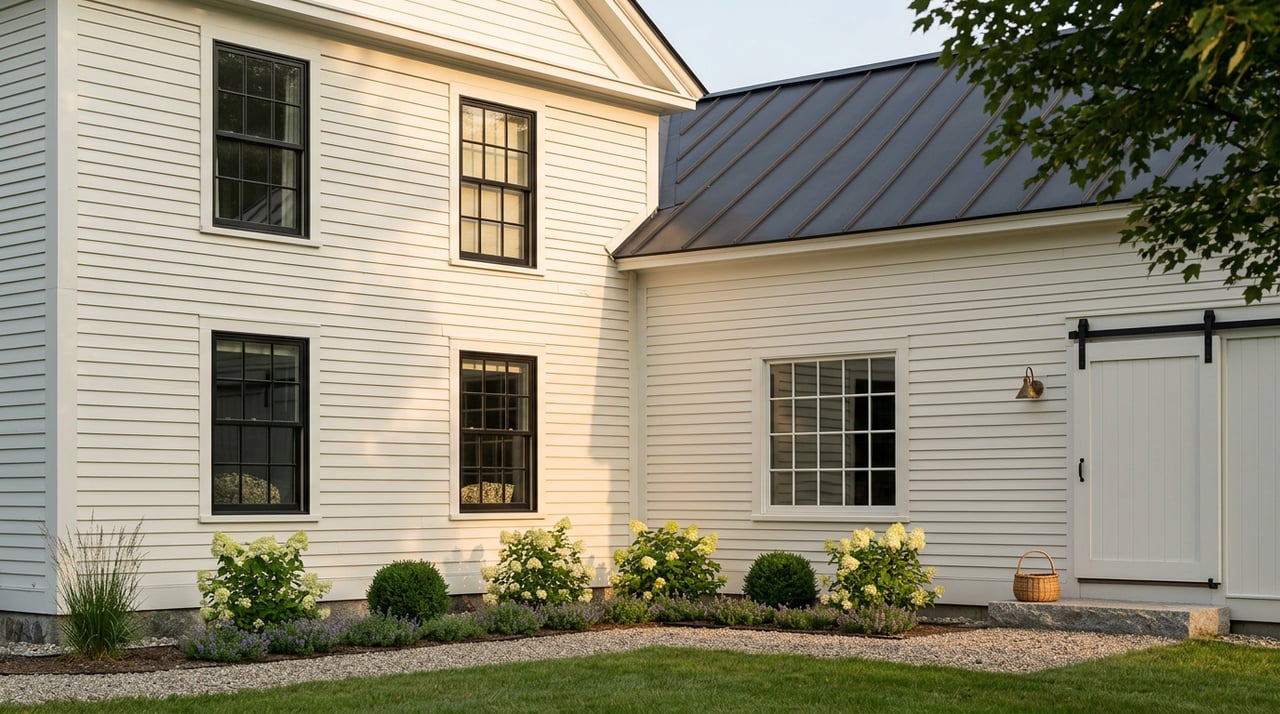
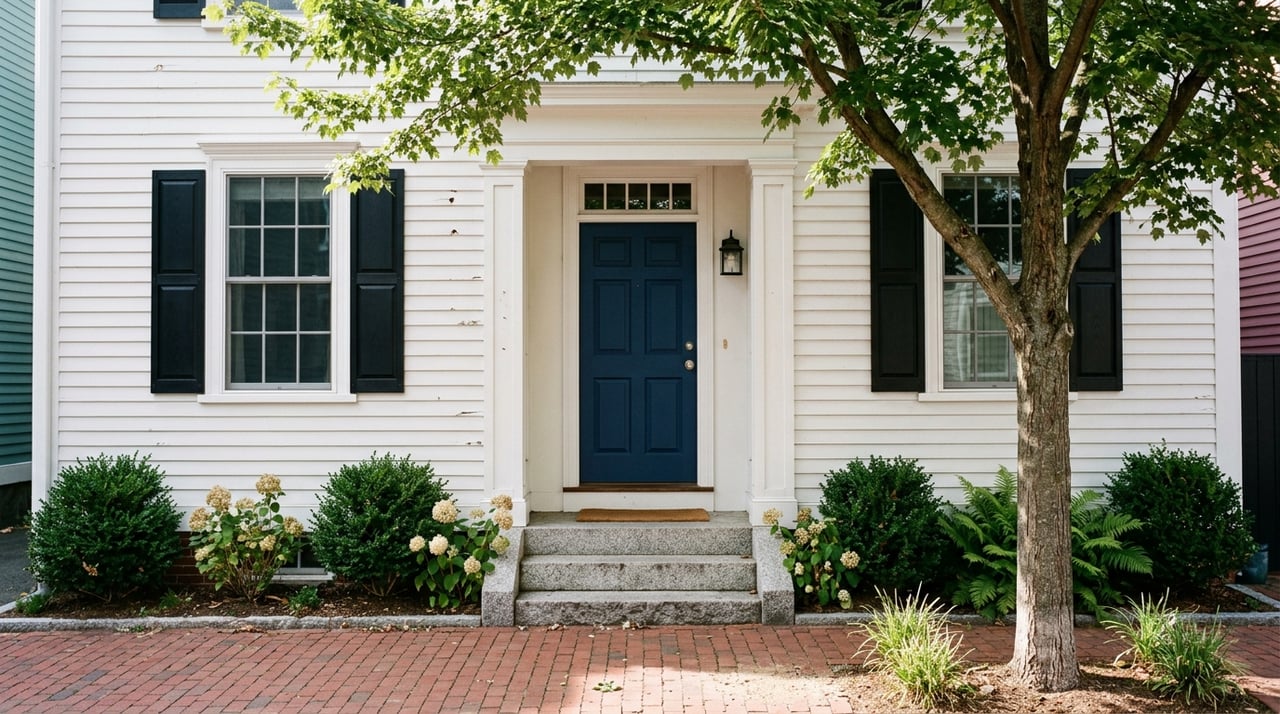
Yarmouth’s housing character is one of the clearest expressions of its identity. The town’s design manual notes a remarkably intact historic heritage and identifies a wide range of architectural styles, including Colonial, Georgian, Federal, Greek Revival, Gothic Revival, Italianate, Second Empire, Richardsonian Romanesque, Stick, Queen Anne, Shingle, Colonial Revival, Craftsman, and Ranch.
For buyers, that means Yarmouth does not feel visually uniform. Instead, it often feels historically layered, with homes and streetscapes that reflect different eras of growth.
Village Core Versus Growth Areas
The comprehensive plan describes the village core as older, denser, and more close-knit. By contrast, Growth Area neighborhoods are generally newer, medium-density suburban developments that are walkable, bikeable, and connected to open space.
This gives you a meaningful lifestyle choice within the same town. Some buyers prefer the compact feel and historic character of the village, while others are drawn to neighborhoods with a different layout and newer development pattern.
Lot Sizes Can Vary Significantly
Zoning helps explain why different parts of Yarmouth feel so different. In some residential districts, minimum lot sizes are measured in acres, while Village III allows a minimum lot size of 10,000 square feet.
In simple terms, Yarmouth can feel compact in the village and more spacious as you move outward. If you are comparing homes in different parts of town, this context can be very helpful in understanding not only the house itself, but also the setting around it.
Why Buyers and Sellers Pay Attention to Yarmouth
Yarmouth stands out because it offers an overlap that is not always easy to find. It combines a historic village center, a working harbor, a strong trail network, and access to the Greater Portland area.
That makes it different from a purely seasonal beach community and different from a purely suburban commuter town. For buyers, the draw is often a year-round lifestyle fit. For sellers, that same combination helps explain why Yarmouth continues to attract interest from people looking for more than just a summer address.
Is Yarmouth the Right Lifestyle Match?
If you are drawn to coastal Maine but want more than water views alone, Yarmouth is worth a serious look. Its appeal comes from how village life, harbor access, open space, and everyday convenience all support one another.
That is often what makes a town feel livable over time. If you are thinking about buying or selling in Yarmouth, Alexa & Reed Oestreicher can help you evaluate how a specific property fits the lifestyle you want.
FAQs
What is daily life like in Yarmouth, Maine?
- Daily life in Yarmouth often centers on the village core, where Main Street businesses, restaurants, civic spaces, and parks support routines that feel both local and practical.
Does Yarmouth, Maine have water access?
- Yes. Yarmouth includes a working and recreational harbor, seasonal launch access for boats, canoes, and kayaks from April 15 through November 15, and places such as Sandy Point Beach for swimming, kayaking, and licensed clamming.
Are there trails and open space in Yarmouth, Maine?
- Yes. Yarmouth has a broad trail network with paved and unpaved options, including Royal River Park, Riverfront Woods Preserve, Frank Knight Forest, Sweetsir Farm Preserve, Littlejohn Island Preserve, and Spear Farm Estuary Preserve.
What types of homes are common in Yarmouth, Maine?
- Yarmouth includes a wide range of home styles, from historic architectural types in and around the village to newer medium-density neighborhoods in Growth Areas, with lot sizes that vary widely by district.
Is Yarmouth, Maine convenient for commuting?
- Yes. Yarmouth is connected by I-295, with access from Route 1 at Exits 15 and 17, and the town’s comprehensive plan notes that many residents commute outside Yarmouth for work.
What makes Yarmouth, Maine different from other coastal towns?
- Yarmouth stands out for its combination of a historic village center, a working harbor, strong trail access, and practical proximity to Portland and the wider Greater Portland area.